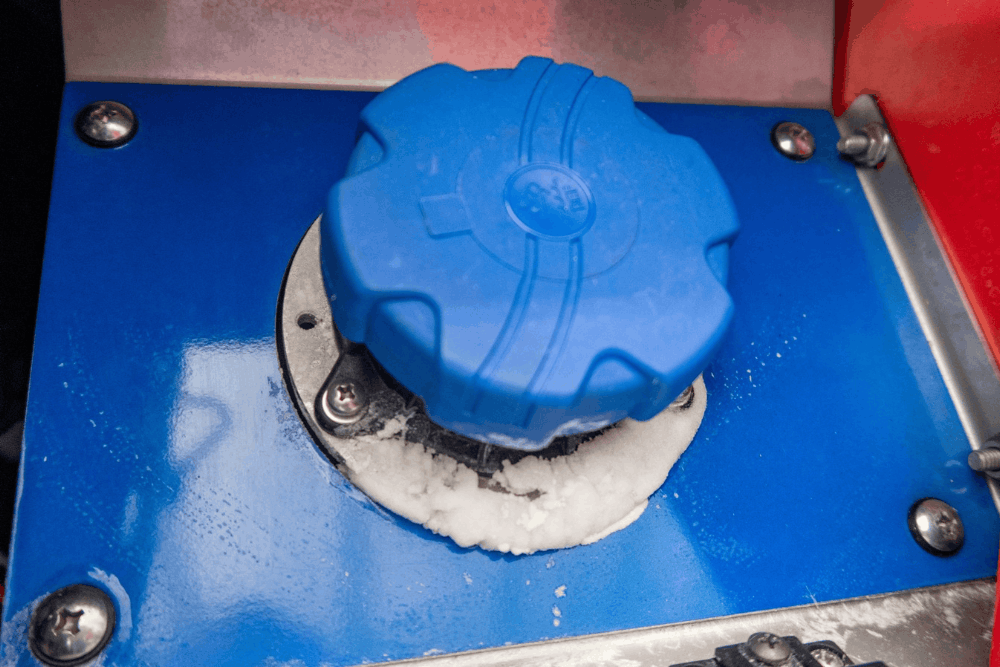
Diesel Exhaust Fluid (DEF) freezes at approximately 12°F, but modern diesel trucks equipped with Selective Catalytic Reduction (SCR) systems are designed to handle normal freezing conditions. The concern begins when a DEF heater, pump, supply line, sensor, or dosing component develops a problem that prevents the emissions system from operating correctly.
At Performance Place in South Jordan, UT, our diesel technicians diagnose DEF and SCR system problems before they lead to additional warnings or possible engine performance restrictions. Here’s how DEF systems handle winter temperatures, which symptoms deserve attention, and what a professional inspection may include.
What Is DEF and Why Does It Freeze?
Diesel Exhaust Fluid is a precise mixture of 67.5% deionized water and 32.5% urea used in Selective Catalytic Reduction (SCR) systems on modern diesel vehicles. The SCR system injects DEF into the exhaust stream, where the urea breaks down into ammonia. That ammonia then reacts with nitrogen oxide (NOx) emissions in the SCR catalyst, converting them into harmless nitrogen and water vapor.
That’s the chemistry. Here’s where it gets important for South Jordan, UT, winters:
- DEF freezes at 12 degrees Fahrenheit (minus 11 Celsius)
- South Jordan’s average January low is 17.8°F, and temperatures can drop into single digits during cold snaps
- Your truck was engineered for this. Built-in tank heaters, heated supply lines, and a pump module work together to thaw frozen DEF during warm-up without any driver action needed
- The real risk isn’t the frozen fluid itself. It’s a heating component that fails undetected over the summer and announces itself with the first hard freeze of the season.
Can a DEF System Problem Cause Your Diesel Truck to Lose Power?
Some diesel trucks are programmed to reduce engine performance when certain DEF or Selective Catalytic Reduction (SCR) faults remain unresolved. These restrictions, often called derates or inducements, are designed to encourage emissions-system repairs.
The warning sequence and severity depend on the vehicle, model year, fault, and installed software. Updated EPA guidance has encouraged manufacturers to reduce severe derates and provide operators more time to address certain DEF system issues.
For South Jordan diesel owners, the important takeaway is to investigate DEF warnings early. A professional diagnostic inspection can help identify whether the problem involves fluid quality, heating components, sensors, pumps, or other SCR system parts before it leads to additional operating restrictions.
What a DEF System Inspection Covers
A proper DEF system inspection isn’t just checking the fluid level. It’s a systematic review of every component that keeps the system working in cold conditions. The diesel technicians at Performance Place use advanced diagnostic scanner equipment to pinpoint problems that aren’t visible to the naked eye.
Here’s what a thorough inspection looks at:
DEF Fluid Condition and Concentration
DEF degrades over time and can become contaminated if stored improperly or mixed with the wrong materials. This matters especially for trucks that sat through a South Jordan summer, since sustained heat above 86°F accelerates urea breakdown. Contaminated DEF can damage the SCR catalyst. A proper inspection checks the fluid’s concentration level to confirm it’s within the correct range and looks for signs of cloudiness or discoloration.
Tank Heater Function
On heavy-duty diesel trucks, the DEF tank heater typically circulates engine coolant through the tank, borrowing engine heat to thaw frozen fluid on startup. On many light-duty pickups, an electric element handles the same job. Either way, if the heater fails, the SCR system can’t deliver DEF when the engine needs it, and the inducement clock starts running. Inspecting the heater and its connections before temperatures drop prevents that scenario entirely.
Heated Supply Lines and Pump Module
The supply lines that carry DEF from the tank to the dosing injector are electrically heated. A failed heating element in the lines creates a blockage even if the tank itself thaws correctly. The pump module, which pressurizes the system and delivers DEF to the dosing injector at a controlled rate, is also checked for proper operation.
DEF Dosing Injector
The injector sprays DEF into the exhaust stream at precisely the right rate. A clogged or worn injector, often from DEF crystallization, disrupts the reaction in the SCR system and can trigger fault codes even when everything else is functioning correctly.
NOx Sensors and SCR Catalyst
NOx sensors monitor emissions output before and after the SCR catalyst. If they read incorrect values, the system flags a fault. Inspecting these sensors and verifying the catalyst’s efficiency is part of a complete DEF system evaluation.
Signs Your DEF System Needs Attention Before Winter Arrives
Don’t wait for a derate condition to tell you something is wrong. These are the warning signs diesel owners across the South Valley area should watch for before winter:
- A DEF warning light on the dashboard, especially if it’s been on for more than a short drive
- Unusual exhaust smell or increased visible exhaust smoke
- Reduced fuel economy without a clear explanation
- Error codes related to NOx sensors, SCR efficiency, or the dosing injector
- DEF fluid that looks cloudy or discolored, or smells strongly of ammonia rather than its normal mild scent
- A truck that recently sat for an extended period, particularly through a hot summer, without being driven
If any of these sound familiar, it’s worth scheduling a diesel diagnostics appointment before temperatures in South Jordan, UT, hit their winter lows.
Is your diesel truck ready for winter? The diesel team at Performance Place can perform a complete DEF system inspection and diesel diagnostics before cold weather creates a bigger problem. Stop by at 10246 So Redwood Rd, South Jordan, UT 84095, or give us a call at 801-254-0715 to schedule your appointment.
Why Performance Place Is the Diesel Repair Choice in South Jordan, UT
Performance Place has been serving South Jordan, UT, since 1974. That’s over 50 years of diesel repair, preventative maintenance, and honest automotive service to families and fleet operators throughout the South Valley area.
Here’s what makes the shop the right call for DEF system inspections:
- Diesel expertise you can count on: Diesel work is a core service at Performance Place, covering Cummins, Duramax, and Powerstroke engines, along with DEF system diagnostics, DPF service, and turbocharger repair.
- Advanced diagnostic equipment: The shop uses Autel, Snap-On, and Matco Maximus scanner equipment to accurately diagnose DEF system fault codes and emissions-related issues.
- Honest evaluations, no pressure: Performance Place never recommends services a vehicle doesn’t need. If your DEF system checks out clean, they’ll say so.
- 3-Year Warranty: Parts and labor are backed by a 3-year warranty (restrictions apply), giving diesel owners real confidence in every repair.
- Emissions and State Inspection Certifications: These certifications directly support the DEF and emissions-related services the shop provides.
- Serving the South Valley: Drivers from Sandy, Riverton, Bluffdale, West Jordan, and Herriman rely on Performance Place for diesel service they can trust.
FAQs About DEF System Inspection
Where can I get a DEF system inspection in South Jordan, UT?
Performance Place at 10246 So Redwood Rd, South Jordan, UT 84095 offers DEF system inspections and full diesel diagnostics for diesel truck owners throughout the South Valley area. The shop’s diesel technicians use advanced scanner equipment to diagnose DEF, SCR, and emissions system issues accurately.
Does cold weather affect DEF systems in South Jordan, UT?
Cold weather affects the heating components of the DEF system, not necessarily the fluid itself. DEF freezes at 12 degrees Fahrenheit, and South Jordan, UT, winters regularly reach temperatures at or below that threshold. Most diesel trucks include built-in heating systems that thaw frozen DEF on startup, but those heating components need to be inspected and functioning correctly before winter arrives.
What happens if Diesel Exhaust Fluid freezes?
If DEF freezes in the tank and the vehicle’s heating system is working correctly, the truck starts and operates normally while the fluid thaws during warm-up. A derate condition is triggered not by frozen DEF itself, but when a component, such as a tank heater or supply line heater, fails and prevents the system from delivering DEF once the engine is running.
What are the signs of a failing DEF system?
Common signs include a DEF or check engine warning light, reduced engine power (derate), increased exhaust smoke, poor fuel economy, and fault codes related to NOx sensors or SCR efficiency. Any of these symptoms warrants a professional diesel diagnostics inspection before they worsen.
Why is DEF important for diesel vehicles?
DEF is required for the Selective Catalytic Reduction system to function. It breaks down into ammonia in the exhaust stream, which reacts with harmful NOx emissions in the SCR catalyst, converting them into nitrogen and water vapor. Without a properly working DEF system, your truck cannot meet emissions standards and will trigger warning lights that can escalate to power restrictions.
Schedule Your DEF System Inspection in South Jordan, UT Today
Before winter temperatures arrive in South Jordan, UT, make sure your diesel truck’s DEF system is ready. The diesel team at Performance Place is here to help drivers throughout Sandy, Riverton, Bluffdale, West Jordan, and Herriman protect their vehicles with a thorough DEF system inspection and diesel diagnostics.
Performance Place
10246 So Redwood Rd, South Jordan, UT 84095
Call: 801-254-0715